
In construction, businesses face a unique mix of risks — some shared across the industry, others specific to each role in the supply chain. Whether you are a developer, main contractor, subcontractor, or professional consultant, understanding and managing risk is crucial for ensuring long-term resilience.
What Is a Risk Register?
A risk register is a structured tool used by businesses to identify, assess, and manage risks. It includes a risk description (what might go wrong), an impact score (1–3), a likelihood score (1–3), a combined risk score (impact × likelihood), and mitigation measures.
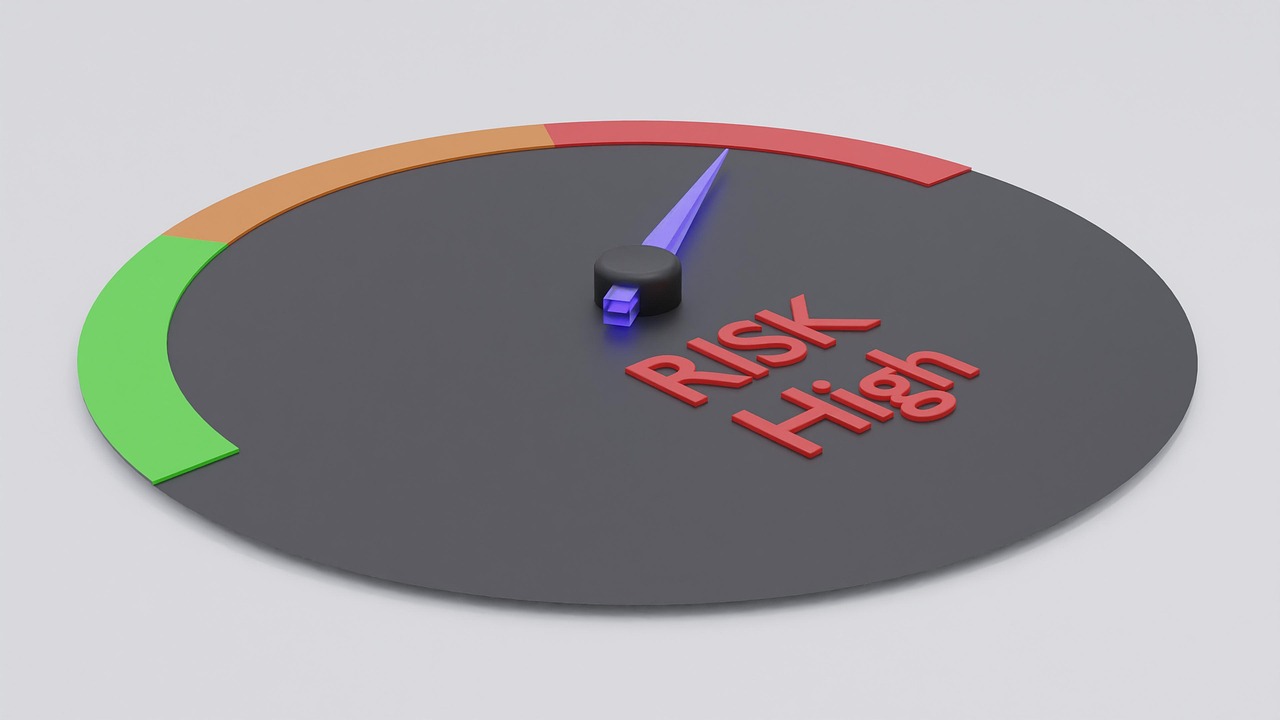
A risk matrix then visually represents severity by combining impact and likelihood, helping teams prioritise which risks need immediate attention: scores of 1–2 are low risk (monitor); 3–6 are moderate risk (mitigate); and 6–9 are high risk (act urgently).
Common Risks by Role
Developers face market demand risk, planning approval delays or refusals, funding risk, exit strategy risk, and land acquisition issues.
Main contractors face estimating errors leading to profit issues, programme overruns, subcontractor performance failures, design errors (in Design and Build), payment delays from clients, and difficult site logistics.
Subcontractors face reliance on the main contractor for payment, limited resources for contract negotiation, payment certainty issues including retention, labour and material availability, and site safety compliance.
Professional consultants face professional indemnity claims, scope creep leading to unpaid additional work, design liability, fee collection delays, and data loss.
Construction Industry-Wide Risks
All construction businesses face external threats including: interest rate changes affecting financing costs and client demand; material price volatility in steel, concrete, and timber; labour availability and skills shortages; planning system delays; sustainability and net zero pressures; rising insurance premiums; technology adoption lag; economic cycles; public sector policy changes; and carbon taxes.
For Clients: Managing Risk Through the RIBA Plan of Work
Clients can de-risk projects by taking proactive steps through the RIBA Stages. At Stages 0–1, define objectives, appoint advisors, and undertake feasibility. At Stages 2–3, obtain planning, manage design risk, and prepare cost plans. At Stages 4–5, complete tendering, contractor due diligence, insurance, and contracts. At Stages 6–7, monitor works, manage snagging, ensure O&M handover, and conduct post-occupancy review. Risks reduce over time as more certainty is introduced and responsibilities shift to contractors and consultants.
Conclusion
By maintaining a robust risk register and using tools like the risk matrix, construction businesses can identify weak points early, devise mitigation measures, and build resilience in a volatile environment. The key is not to treat the risk register as a one-off exercise — it should be a living document, reviewed regularly as project conditions and the wider market evolve.